Get pay-per-api 402 right
Start Pay-Per-API 402 with the constraint that matters most in real life: space, timing, budget, skill level, maintenance, or availability. That first constraint should shape the rest of the plan instead of appearing as an afterthought. Keep the first pass simple enough to verify. Compare the main options against the same criteria, remove choices that only work in ideal conditions, and save optional upgrades for later.
The simplest way to use this section is to write down the real constraint first, compare each option against it, and choose the path that still works outside ideal conditions.
Work through the steps
Pay-Per-API 402 works best as a clear sequence: define the constraint, compare the realistic options, test the tradeoff, and choose the path with the fewest hidden costs. That order keeps the advice usable instead of decorative. After each step, pause long enough to check whether the recommendation still fits the reader's actual situation. If it depends on perfect timing, unusual access, or a best-case budget, include a simpler fallback.
Fix common mistakes in pay-per-api 402 implementation
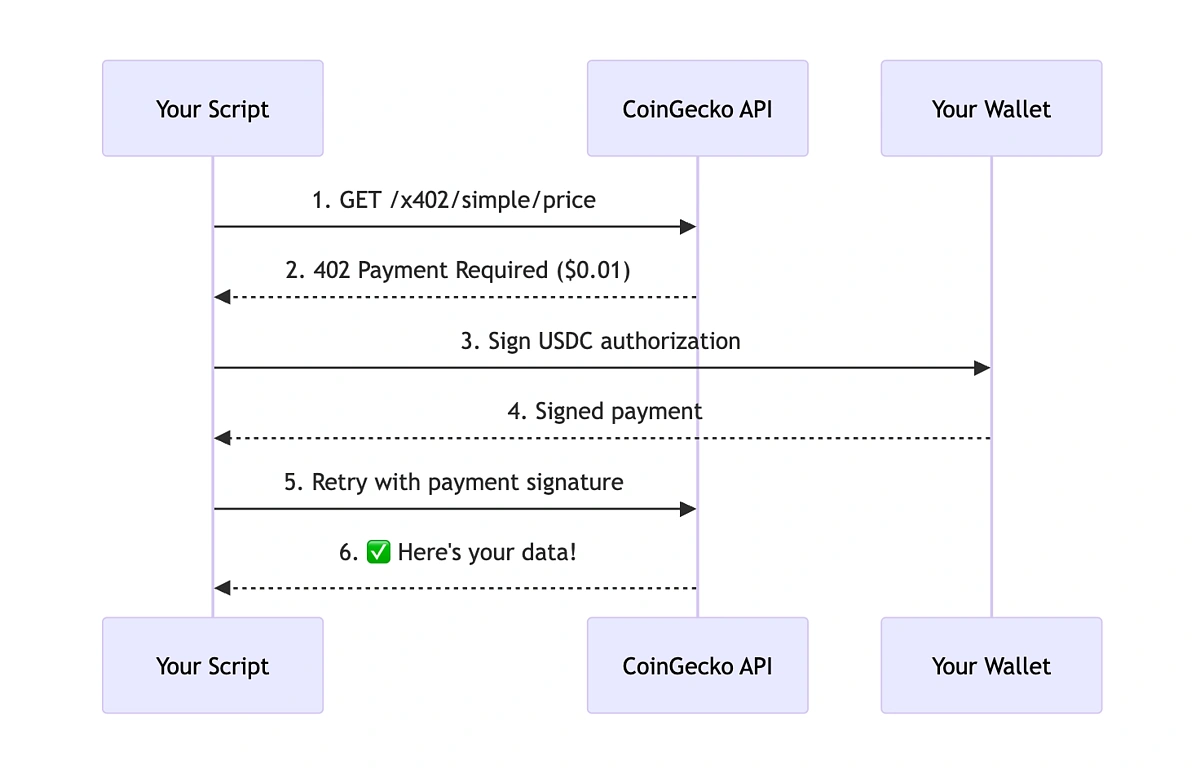
The HTTP 402 status code is reserved for future use in the official specification, which means most platforms treat it as a custom signal for payment requirements. This ambiguity is where most infrastructure strategies fail. When you misconfigure how your backend handles this specific error, you risk alienating users or losing revenue.
Ignoring the nonstandard status code
Many developers assume 402 is a standard error like 400 or 404. It is not. The IETF originally defined it for digital cash systems but never standardized it. If your application treats 402 as a fatal crash rather than a payment prompt, your API integration will break. You must explicitly configure your client-side logic to recognize 402 as a "payment required" state, not a generic failure.
Misinterpreting quota overages as errors
A common mistake is conflating rate limiting with payment blocks. A 429 Too Many Requests error means you have hit a speed limit. A 402 error means you have hit a paywall. If your billing system returns a 429 when a user exceeds their free tier, they will never see the payment prompt. You must ensure your API gateway returns 402 only when the transaction itself is unpaid, not just when the volume is high.
Failing to provide clear payment instructions
When a 402 is returned, the response body must contain a direct path to payment. If you return a generic error message or a blank body, the client cannot know how to proceed. This is especially critical for Web3 applications where payment might involve crypto transactions or micropayments. Always include a link or a structured object in the 402 response that tells the user exactly how to resolve the block.
Pay-per-api 402: what to check next
Before integrating HTTP 402 into your infrastructure, it helps to clarify how the protocol differs from standard billing and what it actually costs to run.
No comments yet. Be the first to share your thoughts!