What HTTP 402 Actually Means
Pay-Per-API 402 works best as a sequence, not a scramble through settings. Do the minimum first: confirm compatibility, connect the core hardware, update only when needed, and test the result before adding optional features. That order keeps the task understandable and makes failures easier to isolate. After each step, pause long enough for the interface to finish syncing. Many setup problems are timing problems disguised as configuration problems. If the same step fails twice, record the exact error, restart the smallest affected piece, and retry before moving deeper.
The simplest way to use this section is to keep the setup small, verify each change, and record the stable configuration before adding optional accessories.
Set Up the Payment Flow
Pay-Per-API 402 works best as a sequence, not a scramble through settings. Do the minimum first: confirm compatibility, connect the core hardware, update only when needed, and test the result before adding optional features. That order keeps the task understandable and makes failures easier to isolate. After each step, pause long enough for the interface to finish syncing. Many setup problems are timing problems disguised as configuration problems. If the same step fails twice, record the exact error, restart the smallest affected piece, and retry before moving deeper.

Fixing Common 402 Implementation Errors
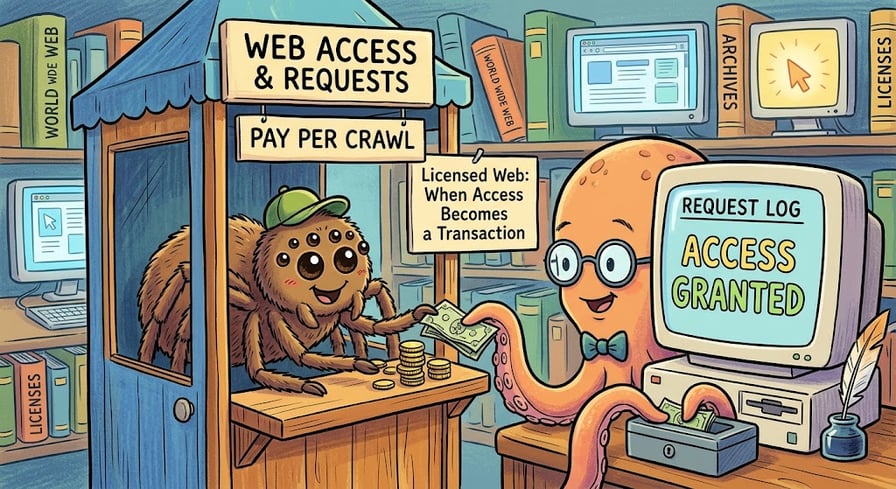
Getting a 402 Payment Required response is the moment your API integration hits the toll booth. It’s not a server crash; it’s a rejection signal that the client hasn’t satisfied the payment condition. For developers building on protocols like the Payment Protocol (BIP-73) or modern Web3 gateways, debugging this error requires checking three specific areas: signature validation, header presence, and payload formatting.
Most failures happen because the client sends a valid request but attaches the payment data incorrectly. Below are the three most common implementation mistakes and how to fix them.
Missing or Malformed Payment Headers
The HTTP 402 specification leaves the exact header structure up to the implementation, but most modern APIs expect a specific authorization or payment header. If your request lacks this header entirely, the server defaults to a 402 to indicate that payment is required.
Check your request logs first. Are you sending a Payment header, a custom X-Payment-Token, or a standard Authorization bearer token? If you’re using a Web3 wallet signature, ensure the signature is attached to the correct header field expected by the middleware. A missing header is the easiest fix—just add it. A malformed header (e.g., a corrupted signature string) requires you to verify the signing process against the provider’s documentation.
Incorrect Signature Formats
In Web3 and crypto-native APIs, payment is often authenticated via cryptographic signatures. A common error is sending a raw public key instead of an ECDSA signature, or vice versa. Another frequent issue is encoding: some providers require hex-encoded signatures, while others expect base64.
If your signature looks correct but you still get a 402, compare your signed payload against the official BIP-73 example or the provider’s SDK. Ensure that the message being signed matches the exact request body hash the server expects. Even a single extra space or a different JSON key order can invalidate the signature, causing the server to reject the payment attempt as invalid.
Invalid Payment Payloads
Sometimes the header is present, but the payload itself is rejected. This often happens when the payment amount, currency, or transaction ID is malformed. For instance, sending a string where a number is expected, or using an unsupported currency code, will trigger a 402 instead of a 400 Bad Request in some strict implementations.
Verify that your payment payload matches the schema defined in the API documentation. If you’re using a smart contract for escrow, ensure the contract address and function call are correctly formatted. A mismatch here means the server cannot process the payment, so it blocks access until the format is corrected.
Check Your Infrastructure Costs
Pay-Per-API 402 works best as a clear sequence: define the constraint, compare the realistic options, test the tradeoff, and choose the path with the fewest hidden costs. That order keeps the advice usable instead of decorative. After each step, pause long enough to check whether the recommendation still fits the reader's actual situation. If it depends on perfect timing, unusual access, or a best-case budget, include a simpler fallback.
| Factor | What to check | Why it matters |
|---|---|---|
| Fit | Match the option to the primary use case. | A good deal still fails if it does not fit the job. |
| Condition | Verify age, wear, and service history. | Hidden condition issues erase upfront savings. |
| Cost | Compare purchase price with likely upkeep. | The cheapest option is not always the lowest-cost option. |
Final Implementation Checklist
Before you deploy your pay-per-API solution, run through these verification steps. This ensures your implementation handles the x402 protocol correctly and provides a smooth experience for clients.
-
Verify signature validity: Ensure your server correctly validates the `x-payment` Bearer token against the request body hash. Use official x402 documentation as your reference for the hashing algorithm.
-
Test gas cost estimation: Confirm your API accurately calculates the required USDC amount, including network fees. Undercharging leads to failed transactions; overcharging frustrates users.
-
Implement robust error handling: Distinguish between transient network errors and permanent payment failures. Return standard HTTP codes (like 500 or 429) for non-payment issues, reserving 402 for payment states.
-
Enforce idempotency: Prevent duplicate charges if a client retries a request. Use unique request IDs or transaction hashes to track and deduplicate payments.
-
Audit logging: Log successful payments and failed attempts for reconciliation. Keep sensitive payment data minimal and secure, focusing on transaction IDs and timestamps.
These steps cover the technical essentials. If you encounter specific issues, refer to the protocol's GitHub repository for the most up-to-date specifications.
Common 402 payment: what to check next
Developers often hit the 402 Payment Required status code and wonder if it’s a bug or a feature. It’s a feature. The code explicitly signals that payment is needed before the server fulfills the request. This section clears up the most frequent questions about 402 errors and paid APIs.
No comments yet. Be the first to share your thoughts!