Get pay-per-api 402 right
Before building your integration, clarify the technical and financial prerequisites. The HTTP 402 Payment Required status code is a nonstandard response reserved for future use, originally designed to enable digital cash or micro-payment systems. It indicates that requested content is not available until the client makes a payment. Unlike 401 (Unauthorized) or 403 (Forbidden), which signal identity or permission issues, 402 signals a billing requirement. Understanding this distinction prevents misrouting errors in your infrastructure.
1. Define your pricing model
Start by calculating the cost per API call. Many models charge based on the value and cost of each customer, using a pay-per-call structure where each request has a fixed price. Multiply the expected number of calls by this rate to estimate total costs. Avoid ambiguous tiering that confuses developers; clear, unit-based pricing reduces support tickets.
2. Implement robust error handling
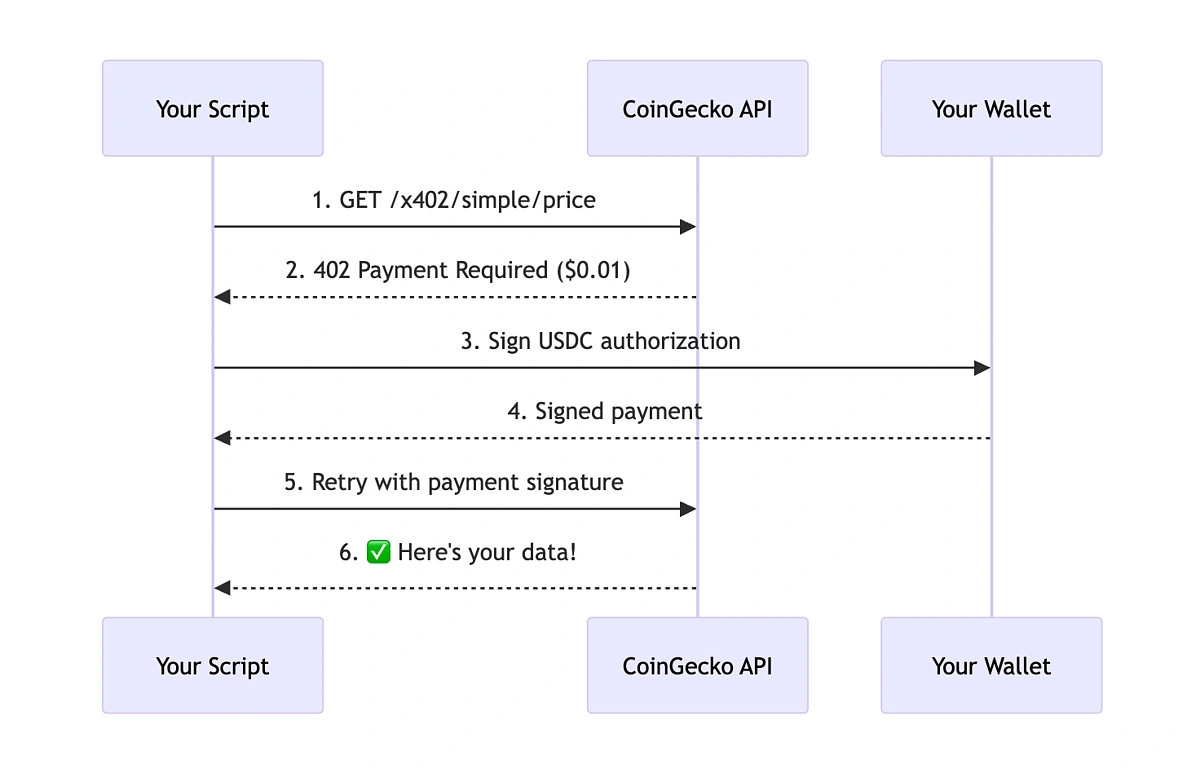
Your client code must handle 402 responses explicitly. When the server returns 402, it typically includes a Retry-After header or a JSON body detailing the payment gateway URL. Do not retry the request immediately; this causes infinite loops. Instead, trigger your billing flow or notify the user that their subscription has expired.
3. Validate payment status
Before serving data, verify the payment status in your database. A common mistake is assuming that a successful API call implies payment. Always check the user’s billing status server-side. If the status is past_due, return 402 immediately. This prevents revenue leakage and ensures you only serve paid content.
Work through the steps
Pay-Per-API 402 works best as a clear sequence: define the constraint, compare the realistic options, test the tradeoff, and choose the path with the fewest hidden costs. That order keeps the advice usable instead of decorative. After each step, pause long enough to check whether the recommendation still fits the reader's actual situation. If it depends on perfect timing, unusual access, or a best-case budget, include a simpler fallback.
Fix Common Mistakes in Pay-Per-API 402 Implementation
When building infrastructure around HTTP 402 Payment Required, teams often treat the status code as a simple gate rather than a complex transactional state. This misalignment creates friction for developers and revenue leakage for providers. Below are the critical errors to avoid during implementation.
Ignoring the "Reserved" Nature of 402 The HTTP 402 status code is officially reserved for future use by the IETF, meaning standard browsers and libraries may not handle it gracefully. Many teams mistakenly assume it behaves like a standard 401 or 403 error. If your client-side SDKs aren't explicitly coded to recognize 402, requests will fail silently or throw unhandled exceptions. You must configure your error handlers to intercept 402 specifically, treating it as a "payment needed" signal rather than a generic network failure.
Blindly Multiplying Calls for Pricing A common pricing trap is assuming a fixed rate per call without accounting for computational variance. As noted in industry guides, simple multiplication works only for uniform requests. If your API performs heavy lifting for some calls and light work for others, a flat pay-per-call model will erode margins on complex endpoints. Instead, calculate costs based on weighted usage or tiered thresholds, ensuring the price reflects the actual resource consumption of each specific request.
Poor Error Messaging for Payment Failures
Returning a raw 402 status without context forces the client to guess the next step. The response body must clearly state why payment is required: is the balance insufficient, is the subscription expired, or is it a new metered feature? Ambiguous responses lead to increased support tickets and failed integrations. Provide a structured error payload that includes a payment_required flag and a link to a checkout or top-up endpoint.
Failing to Handle Retry Logic Clients often retry failed requests automatically. If a 402 is returned during a retry loop, it can trigger an infinite billing cycle or a denial-of-service pattern against your own payment gateway. Implement exponential backoff with a hard stop specifically for 402 responses. Document this behavior clearly in your API reference so developers know that retries will not resolve the payment issue.
Pay-per-api 402: what to check next
Before integrating HTTP 402 into your infrastructure, it helps to clarify how the protocol differs from legacy status codes and how pricing scales with usage.
No comments yet. Be the first to share your thoughts!