Get pay-per-api 402 right
Before deploying an x402-enabled endpoint, you need to align three moving parts: pricing logic, payment routing, and client expectations. The HTTP 402 status code is not a standard web response; it is a reserved signal intended for digital payment systems. When a client receives a 402, it should understand that payment is required to access the resource, not that the server has crashed.
To make this work, your API must return the current price in the 402 response headers. This transparency allows agents and clients to verify the cost before initiating a transaction. Without this step, users will abandon the flow, and your revenue will leak to failed attempts.
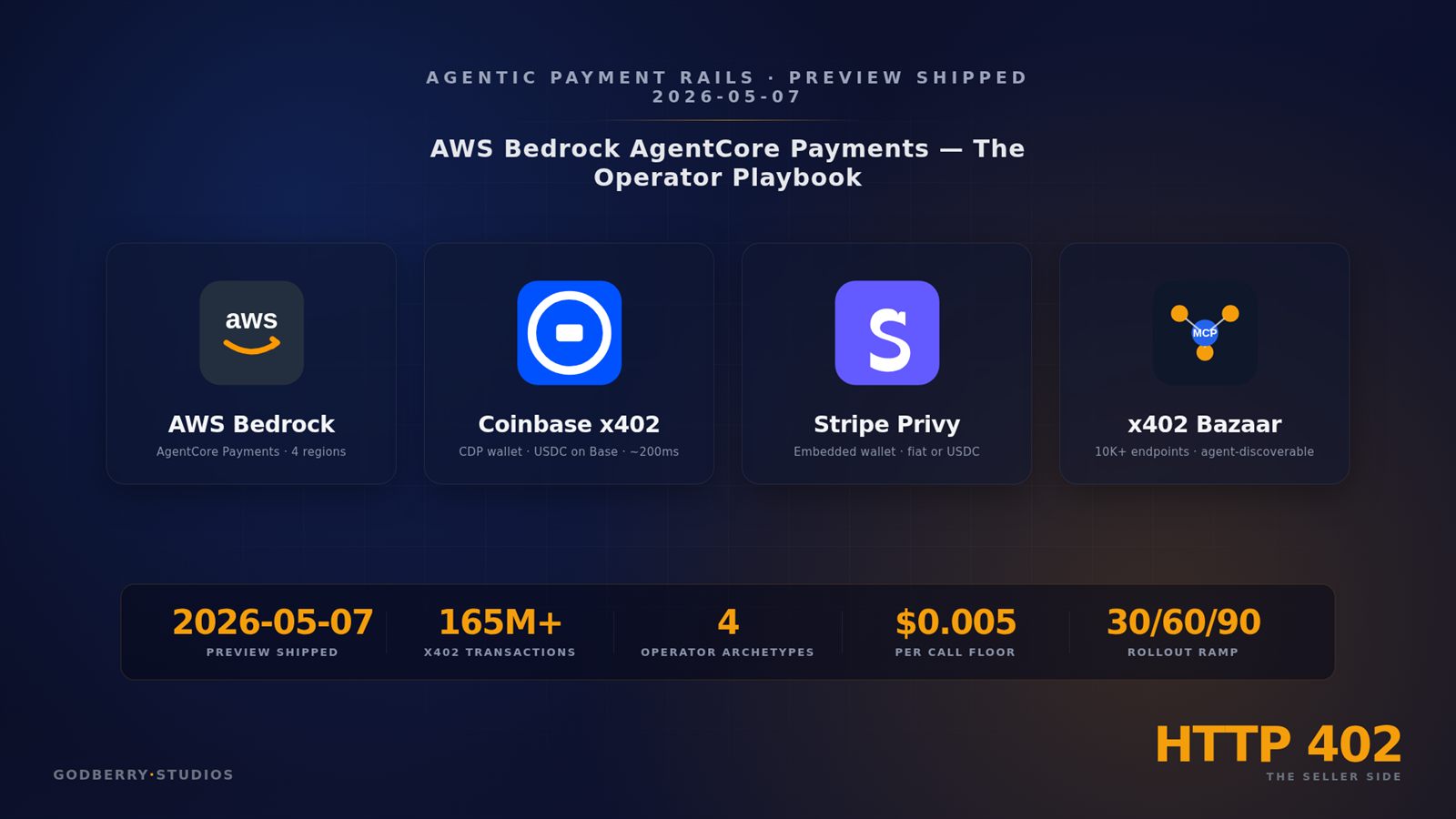
Choose between fixed per-call rates or usage-based tiers. Fixed rates are simpler to implement but may alienate high-volume users. Usage-based models track value but require more complex accounting. Decide this before writing code.
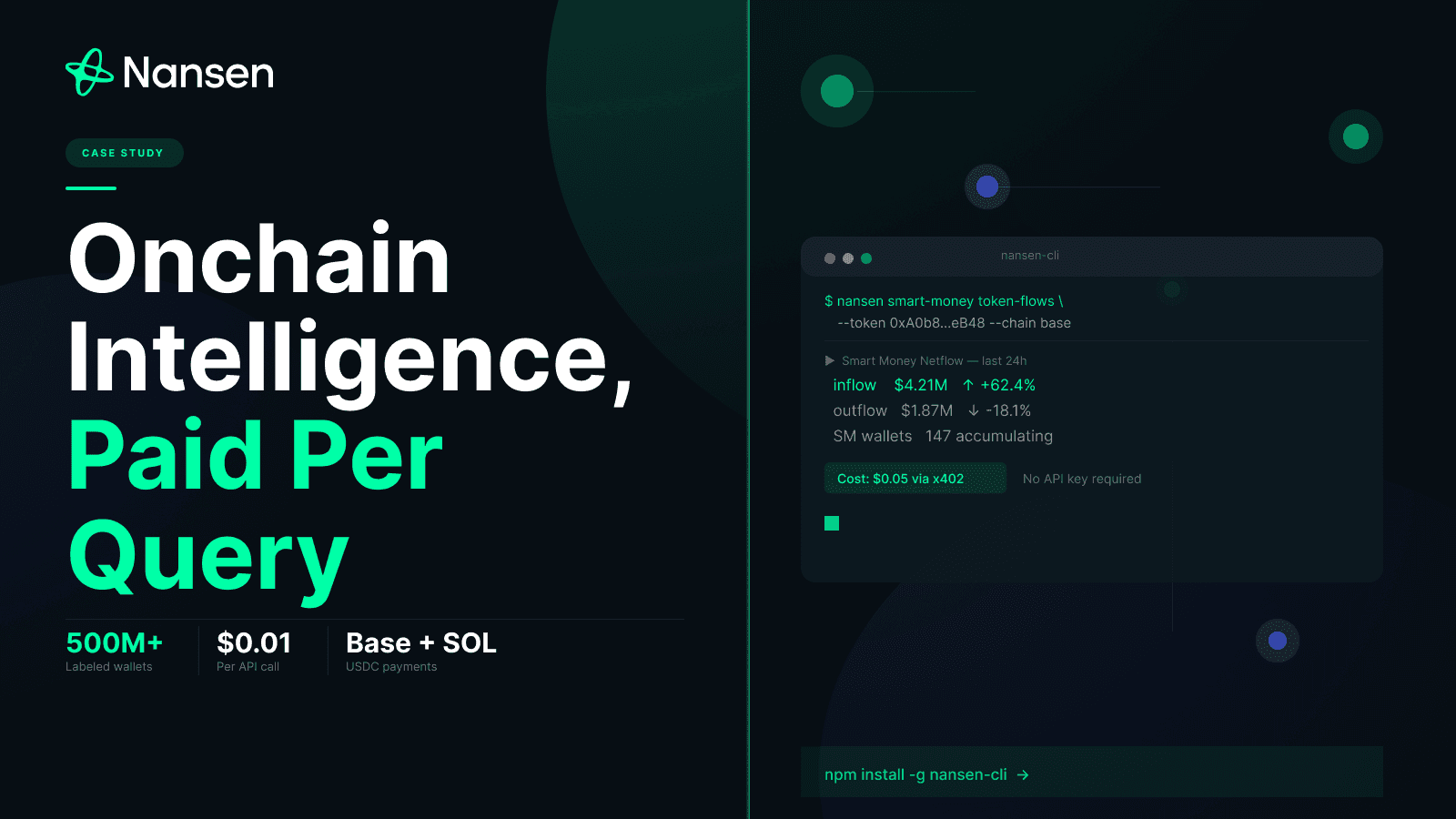
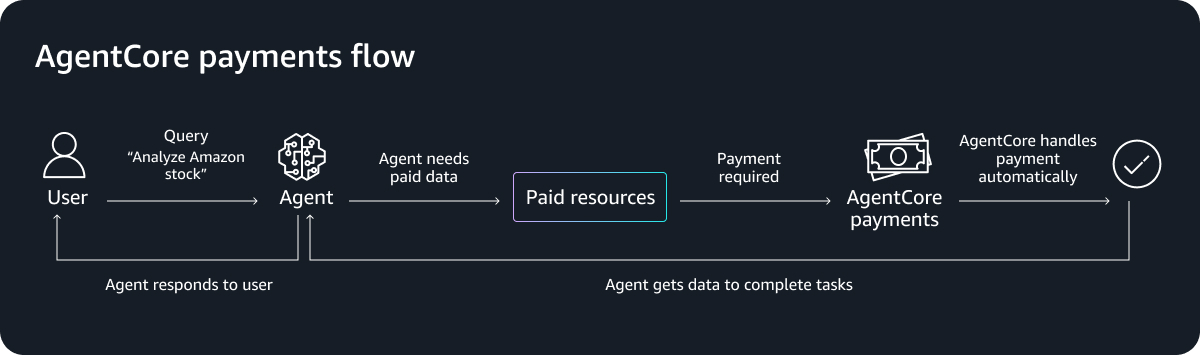
Connect your API gateway to a payment processor that supports micropayments or crypto wallets. Ensure the gateway can intercept 402 responses and trigger the payment flow. Test the handshake between your API and the payment provider.
Clients may retry the request after payment. Ensure your API idempotently handles these retries to prevent double-charging. Return a clear success status (200) only after payment is confirmed.
Work through the steps
The Pay-Per-API 402 Playbook works best as a clear sequence: define the constraint, compare the realistic options, test the tradeoff, and choose the path with the fewest hidden costs. That order keeps the advice usable instead of decorative. After each step, pause long enough to check whether the recommendation still fits the reader's actual situation. If it depends on perfect timing, unusual access, or a best-case budget, include a simpler fallback.
Common Mistakes in Pay-Per-API 402 Implementation
Even with the x402 protocol simplifying the plumbing, many developers still struggle to get the 402 Payment Required flow right. The most frequent errors stem from treating 402 like a standard authentication check or misunderstanding how pricing updates propagate to the client. Below are the specific pitfalls that cause failed transactions and frustrated API consumers.
Ignoring Real-Time Price Updates
The 402 status code is designed to be dynamic, not static. A common mistake is caching the payment requirement or assuming the price remains constant across requests. The x402 protocol explicitly includes the current price in every 402 response, allowing the client agent to see the updated cost before committing funds.
If you fail to refresh this price in the response header or body, your clients may attempt to pay an outdated rate, leading to transaction failures. Always ensure your server sends the latest pricing logic in each 402 challenge so the client can make an informed decision.
Misconfiguring the Payment Gateway
Another frequent error is linking the 402 response to a payment gateway that doesn't support the required microtransaction or cryptocurrency standards. Many traditional Stripe or Shopify integrations are built for fiat, fixed-price subscriptions, not for per-call micropayments.
Ensure your backend is configured to handle the specific wallet or payment method your clients are using. If you are using a Bitcoin Lightning micropayment protocol, verify that your gateway can process the small, high-frequency transactions that 402 enables. Mismatched gateways lead to silent failures where the client pays, but the server doesn't recognize the proof.
Overcomplicating the Challenge Flow
Developers often try to embed complex authentication logic within the 402 response. This adds latency and confusion. The 402 status should primarily signal that payment is required, not that the user is unauthenticated.
Keep the challenge simple: present the price and the payment proof requirement. Handle authentication separately, either before the 402 is triggered or after the payment is verified. A streamlined flow reduces friction and increases the likelihood of successful API monetization.
Failing to Validate Payment Proofs
The final mistake is accepting payment proofs without rigorous validation. Since 402 relies on decentralized or cryptographic proof of payment, skipping validation steps can lead to revenue loss or abuse.
Always verify the cryptographic signature or blockchain confirmation of the payment proof before granting access. This step is critical for maintaining the integrity of your pay-per-API model and ensuring that only paying users can access your resources.
Pay-per-api 402: frequently asked: what to check next
These answers address the most common friction points when implementing the 402 status code for API monetization. They cover protocol mechanics, pricing structures, and client-side requirements.
Helpful gear
Use these product recommendations as a starting point, then choose the size, material, and price point that fit how you actually use the gear.

As an Amazon Associate, we may earn from qualifying purchases.
No comments yet. Be the first to share your thoughts!