Get Pay-Per-API 402 Right
Before you implement the 402 status code, you need to align your infrastructure with the specific requirements of the x402 protocol. This standard isn't just an HTTP response; it's a payment negotiation layer. If you treat it like a standard authentication error, you will break your client integrations and frustrate users.
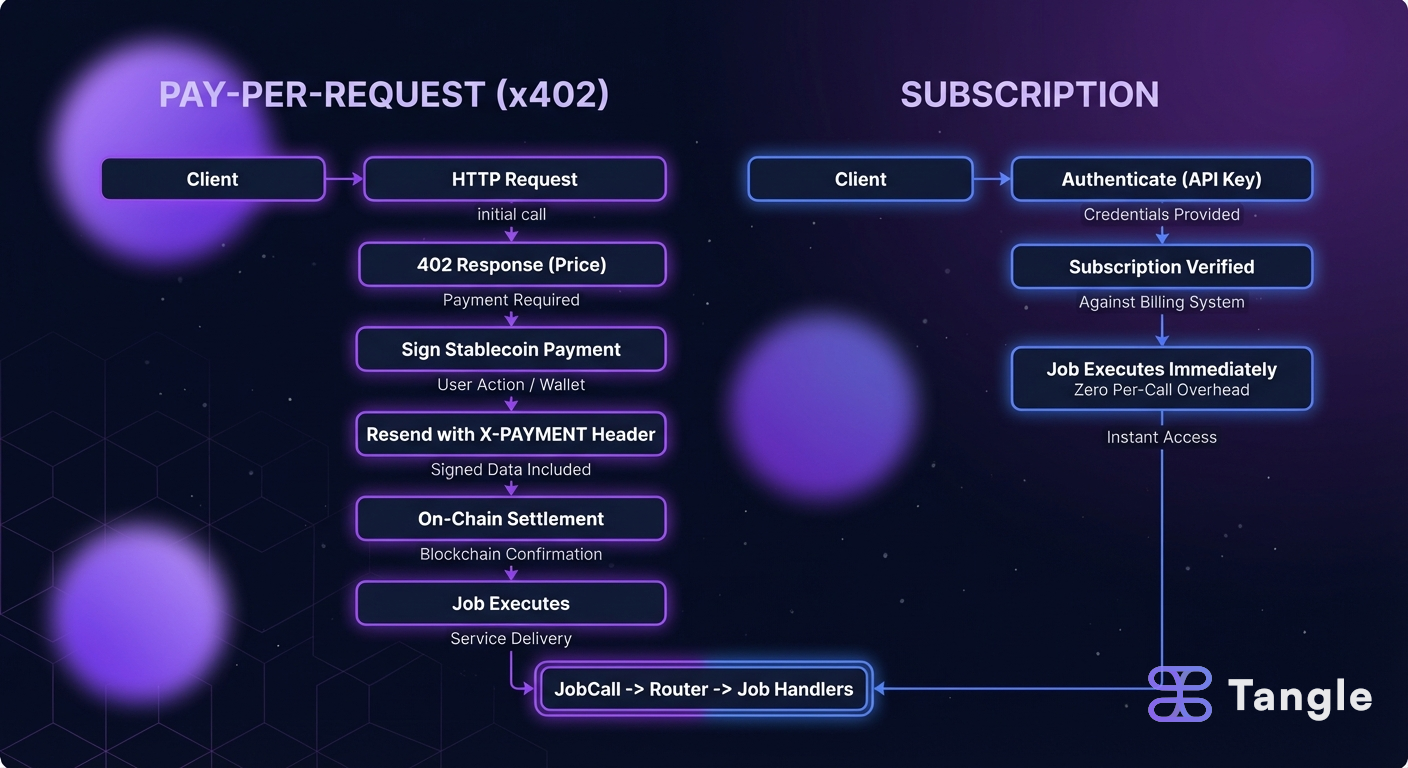
The x402 protocol embeds the current price directly into every 402 response. This transparency allows agents and clients to see the cost before they pay, ensuring they can make informed decisions without guessing. Your server must be configured to return this structured data alongside the status code, rather than a generic error message.
You also need to decide on the payment flow. Will you require a crypto wallet integration for each call, or will you use a billing gateway that handles microtransactions in the background? The choice affects your latency and user experience. For AI agents, direct wallet integration via the x402 standard is often preferred because it allows for automated, programmatic payments without human intervention.
Finally, ensure your rate limiting and pricing logic are synchronized. If your pricing tier changes, the 402 response must reflect that update immediately. A mismatch between your internal pricing engine and the returned 402 data will lead to failed transactions and lost revenue. Test this synchronization rigorously before going live.
Work through the steps
Pay-Per-API 402 works best as a clear sequence: define the constraint, compare the realistic options, test the tradeoff, and choose the path with the fewest hidden costs. That order keeps the advice usable instead of decorative. After each step, pause long enough to check whether the recommendation still fits the reader's actual situation. If it depends on perfect timing, unusual access, or a best-case budget, include a simpler fallback.

Fix common mistakes
Implementing pay-per-API logic requires more than just returning a 402 status code; it demands a seamless payment flow that doesn't break existing client integrations. Most failures stem from treating 402 as a generic error rather than a specific payment instruction. Below are the most frequent implementation errors and how to correct them.
Ignoring the x402 protocol structure
The x402 protocol embeds pricing data directly within the 402 response. If your server returns a 402 without the required x-payments-accept header, automated agents and clients cannot determine the cost or the payment method. This forces users to manually navigate a payment portal, increasing friction and abandonment. Always include the current price and supported wallet details in the response headers to enable instant, programmatic payment.
Using 402 for general authentication errors
Developers often misuse the 402 status code to block requests due to missing API keys or expired tokens. This is incorrect. The 402 code is reserved specifically for payment requirements. If a request fails due to authentication issues, you must return a 401 Unauthorized or 403 Forbidden. Mixing these error codes confuses client-side error handlers, causing payment logic to trigger when it should simply be retrying authentication.
Failing to cache payment receipts
In a high-volume API environment, clients may re-send the same request immediately after payment. If your server does not cache and verify payment receipts, you risk charging the user twice for the same data. Implement a short-term cache for recent transaction IDs. Before processing a new request, check if the associated payment has already been verified. This prevents duplicate charges and reduces unnecessary blockchain or payment gateway calls.
Not handling network latency in pricing
API costs fluctuate based on server load and bandwidth usage. If you hardcode prices in the 402 response, you may undercharge during peak traffic or overcharge during low usage, eroding margins. Use dynamic pricing models that update the x-payments-accept header in real-time. This ensures the client sees the accurate, up-to-date cost before committing to the transaction, maintaining trust and accurate revenue tracking.
Pay-per-api 402: what to check next
Before implementing HTTP 402 payment flows, clarify how the status code functions and what drives infrastructure costs. The 402 status code was originally reserved for digital cash systems and is now the standard signal for pay-per-call API models.
No comments yet. Be the first to share your thoughts!